
Super Early Bird - Non-Member
2026-01-31
2026-07-31
$1,195.00
$1,625.00
- Members - please login to your CATAP account to access member pricing
- Full-time Students - email us at info@catap.ca for your discount code
- Other iTAP members - email us at info@catap.ca for your discount code
The SUPER EARLY BIRD Rate will remain in effect until July 31, 2026!
***If purchasing/checking out as a "guest" please include your company/organization name, if applicable***
We are pleased to announce the 2-day Foundational Workshop for our 2026 event!
Structured Professional Judgement: Teams, Tools, and the Death of ipse dixit
Facilitated by Dr. Reid Meloy, PhD & Molly Amman, JD, CTM
This 2-day workshop held October 25-26 at the outset of the annual event will build on the foundational use of structured professional judgement (SPJ) instruments for behavioural threat assessment and management (BTAM). Emphasis throughout will be placed upon their use as integrated, time-sensitive maps to help guide information gathering and decisions that are made over time by the entire multidisciplinary BTAM team. Two SPJ instruments will be introduced during day one to provide the structure for this training, the Workplace Assessment of Violence Risk (WAVR-21) and the Terrorist Radicalization Assessment Protocol (TRAP-18), both developed by Dr. Meloy and his colleagues.
The second day of the workshop will involve the application of these structured professional judgement instruments to well known cases of grievance-fueled targeted violence in the workplace and ideologically motivated targeted violence in the community. Methods of teaching will include didactics, large group discussion, video interviews of such perpetrators, and the gaming of a real time practice scenario.
Our Facilitators:
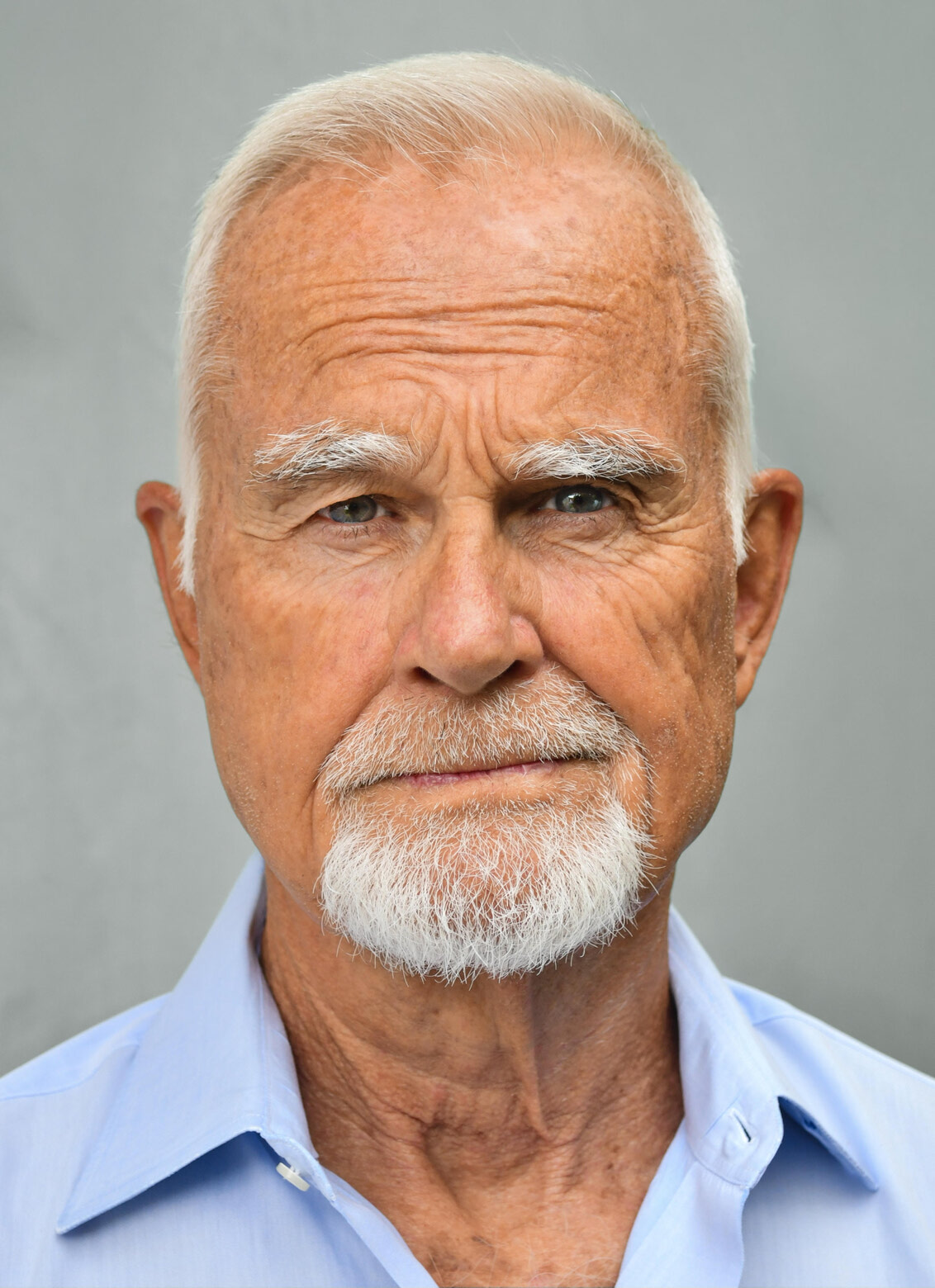
Dr. Reid Meloy is a board-certified forensic psychologist (ABPP) and research psychoanalyst. He is a former clinical professor of psychiatry at the University of California, San Diego, School of Medicine, and a faculty member of the San Diego Psychoanalytic Center. He is a fellow of the American Academy of Forensic Sciences and is past president of the American Academy of Forensic Psychology. He has received a number of awards and honors,
including the first National Achievement Award in 1998 from the Association of Threat Assessment Professionals, the Manfred Guttmacher Award from the American Psychiatric Association in 2022, and the Distinguished Contributions to Forensic Psychology Award from the American Academy of Forensic Psychology that same year. He was the Yochelson Visiting Scholar at Yale University in 2015, and Visiting Scholar at the Psychiatric University Hospital
Zurich—originally the Burgholzli Clinic--in 2018. Dr. Meloy has authored or co-authored over two hundred seventy papers published in peer-reviewed psychiatric and psychological journals, and has authored, co-authored or edited fourteen books. He has been consulting, researching and writing about personality disorder, psychopathy, stalking, narcissism, criminality, mental disorder, and targeted violence for the past thirty years. His first book, The Psychopathic Mind (Aronson, 1988), was an integration of the biological and psychodynamic understanding of psychopathy. His co-edited book with Drs. Hoffmann and Sheridan, Stalking, Threatening and Attacking Public Figures (Oxford University Press, 2008), led to a commissioned study for the National Academy of Sciences on threats toward public figures published in 2011 (www.nap.edu). The first edition of the International Handbook of Threat Assessment was published in 2014, and the second edition in 2021 (Oxford University Press). Dr. Stephen White and he created the WAVR-21 (www.wavr21.com), a widely utilized structured professional judgment instrument for targeted workplace and campus violence, now in its third edition.
including the first National Achievement Award in 1998 from the Association of Threat Assessment Professionals, the Manfred Guttmacher Award from the American Psychiatric Association in 2022, and the Distinguished Contributions to Forensic Psychology Award from the American Academy of Forensic Psychology that same year. He was the Yochelson Visiting Scholar at Yale University in 2015, and Visiting Scholar at the Psychiatric University Hospital
Zurich—originally the Burgholzli Clinic--in 2018. Dr. Meloy has authored or co-authored over two hundred seventy papers published in peer-reviewed psychiatric and psychological journals, and has authored, co-authored or edited fourteen books. He has been consulting, researching and writing about personality disorder, psychopathy, stalking, narcissism, criminality, mental disorder, and targeted violence for the past thirty years. His first book, The Psychopathic Mind (Aronson, 1988), was an integration of the biological and psychodynamic understanding of psychopathy. His co-edited book with Drs. Hoffmann and Sheridan, Stalking, Threatening and Attacking Public Figures (Oxford University Press, 2008), led to a commissioned study for the National Academy of Sciences on threats toward public figures published in 2011 (www.nap.edu). The first edition of the International Handbook of Threat Assessment was published in 2014, and the second edition in 2021 (Oxford University Press). Dr. Stephen White and he created the WAVR-21 (www.wavr21.com), a widely utilized structured professional judgment instrument for targeted workplace and campus violence, now in its third edition.
Dr. Meloy was a consultant on criminal, counterintelligence, and counterterrorism cases for the Behavioral Analysis Unit, FBI, Quantico, for twenty-four years. His counterterrorism work began when he was retained as the consulting forensic psychologist by the U.S. Attorney General in the prosecution of the defendants McVeigh and Nichols in the Oklahoma City bombing cases. He is the originator and developer of the TRAP-18 (Terrorist Radicalization Assessment Protocol; mhs.com), a validated risk assessment instrument used by counterterrorism professionals in North America, Europe, South Africa, Australia and New Zealand. He was a member of the Fixated Research Group for the United Kingdom’s Home Office concerning threats to the Royal Family and British political figures, which led to the development of fixated threat assessment centers in multiple countries. He was also a founding associate editor of the Journal of Threat Assessment and Management. Dr. Meloy is intermittently quoted in the New York Times, the Washington Post, the Wall Street Journal, the Los Angeles Times, the New Yorker magazine, and NPR. He was a technical consultant to the television series CSI from its
inception in 2000 until its final episode in 2015; and was the technical consultant to “Indivisible:
Healing Hate,” a Paramount+ six-part cable series exploring the historical roots of the Jan. 6,
2021 attack on the US Capitol.
inception in 2000 until its final episode in 2015; and was the technical consultant to “Indivisible:
Healing Hate,” a Paramount+ six-part cable series exploring the historical roots of the Jan. 6,
2021 attack on the US Capitol.
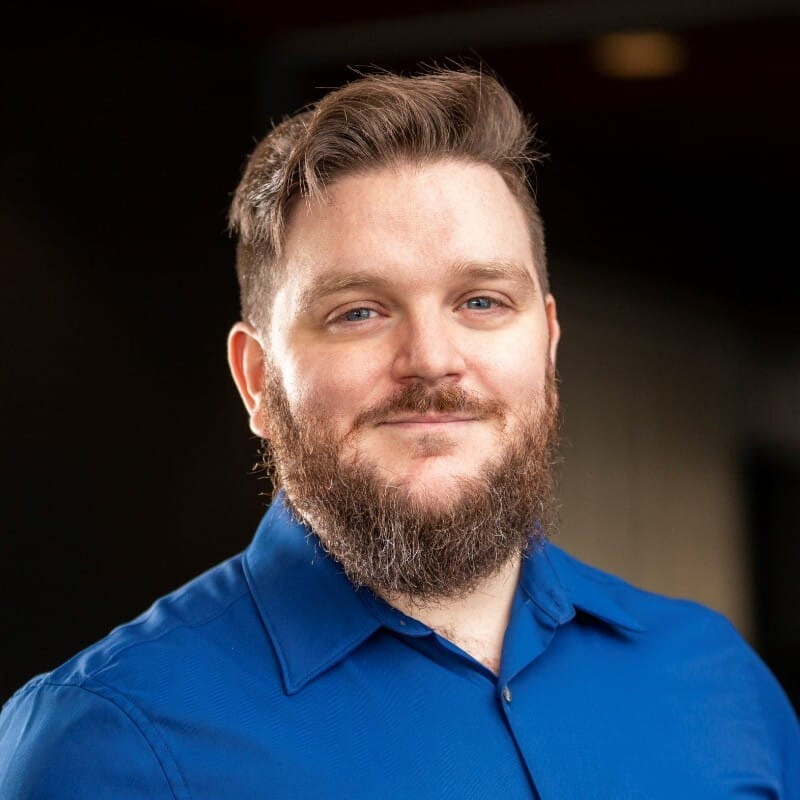
Former FBI profiler and CATAP member Molly Amman, JD, CTM, is an internationally recognized expert in threat assessment and management. Prior to retiring from the FBI in 2020, Ms. Amman worked at the Behavioral Analysis Unit (BAU) in Quantico, Virginia, developing her expertise and experience as a targeted violence profiler. Ms. Amman’s case work at the BAU focused on school and workplace violence, threatening communications, public figure threats, stalking and extortion, active crisis incidents, domestic terrorism, and more. Prior to joining the BAU as a profiler, Ms. Amman served as a faculty member at the FBI Academy, teaching communications, investigative interviewing, and detection of deception. She also served as a supervisor in the FBI Special Events Management Program, which managed public safety assets for crisis response and management, intelligence, and investigations in relation to major special events such as professional sports championships and Olympic games.
Ms. Amman completed numerous long-term overseas deployments to further US and allied threat mitigation and anti-radicalization efforts. She has collaborated extensively with law enforcement and public safety partners both at home and abroad, intelligence agencies, professional organizations, members of academia, and private sector partners, in assessing threats of violence posed by individuals and groups. She has conducted training around the world, has authored several publications on topics related to threats and targeted violence, extremism, and the law, and has appeared in a number of television news and documentary projects.
After practicing law as a prosecutor, Ms. Amman joined the FBI in 1998. Since retiring from FBI service, she is now engaged in private practice threat assessment and management focusing largely on workplace violence and domestic extremism, and previously served as the national Certification Chair for the US Association of Threat Assessment Professionals. Ms. Amman is an ongoing contributor to the body of research and knowledge in behavioral threat assessment and has authored numerous publications in the field, such as the well- known how-to guide, Making Prevention a Reality: Identifying, Assessing, and Managing The Threat Of Targeted Attacks.
Our Speakers